

Mavis Pusey is one of the best abstractionists you’ve probably never heard of, even though one of her major works, Dejygea (below), was included in the Whitney Museum’s hotly debated 1971 survey of Black artists.
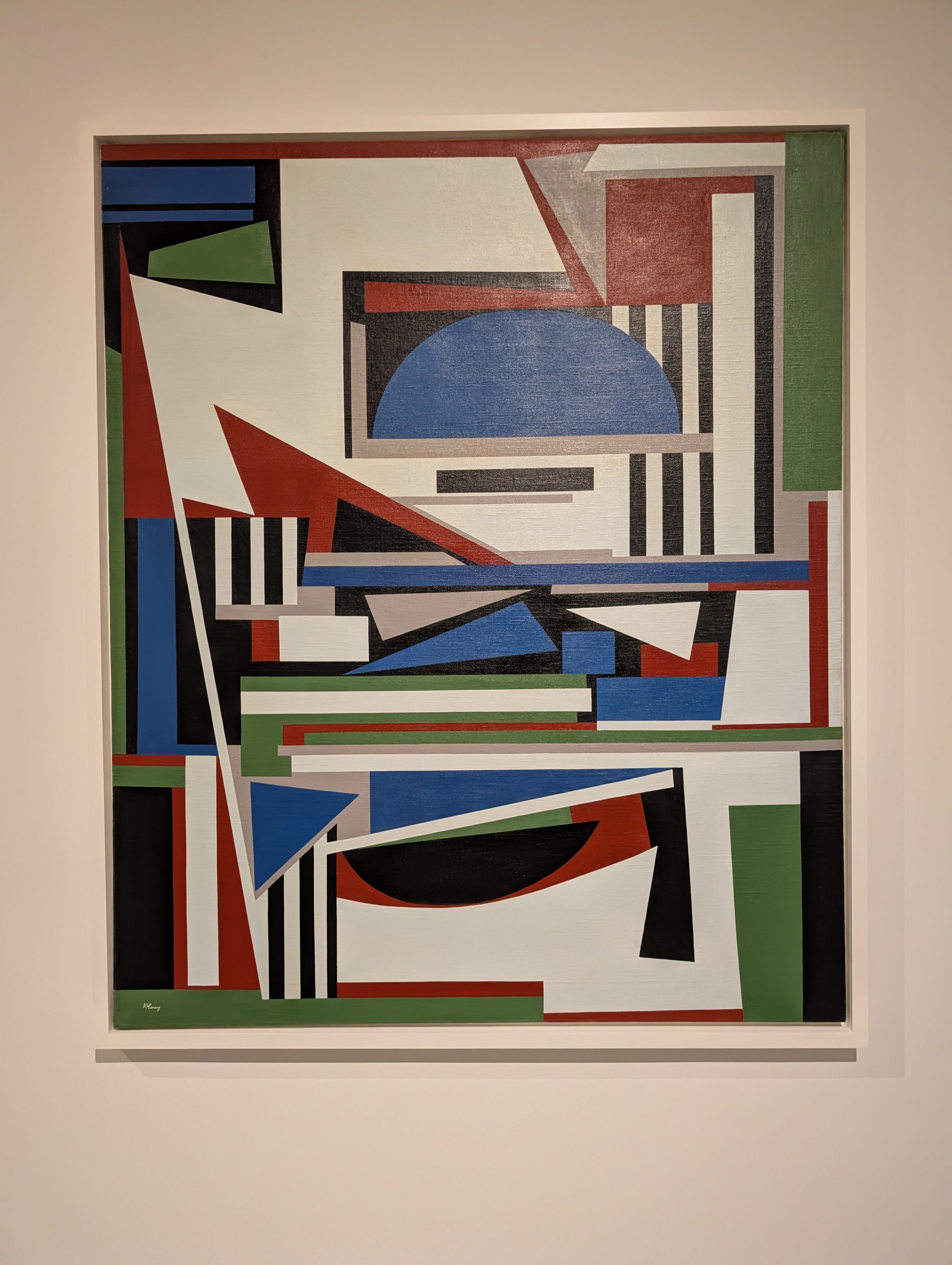
Born in Jamaica, Pusey immigrated to the U.S. in 1958, initially intent on studying fashion design. But New York had other plans. The churn of construction and the geometry of the city around her attracted her toward abstraction, and she created many profound and intricate architectural compositions.


But over time, Pusey vanished from the art world’s view. Rediscovering her became a kind of curatorial detective story. Hallie Ringle, now chief curator at ICA Philadelphia, began the search years ago when she was an assistant curator at the Studio Museum in Harlem. Ringle teamed up with Kiki Teshome, a curatorial assistant there, to bring Pusey’s work back into the public spotlight.
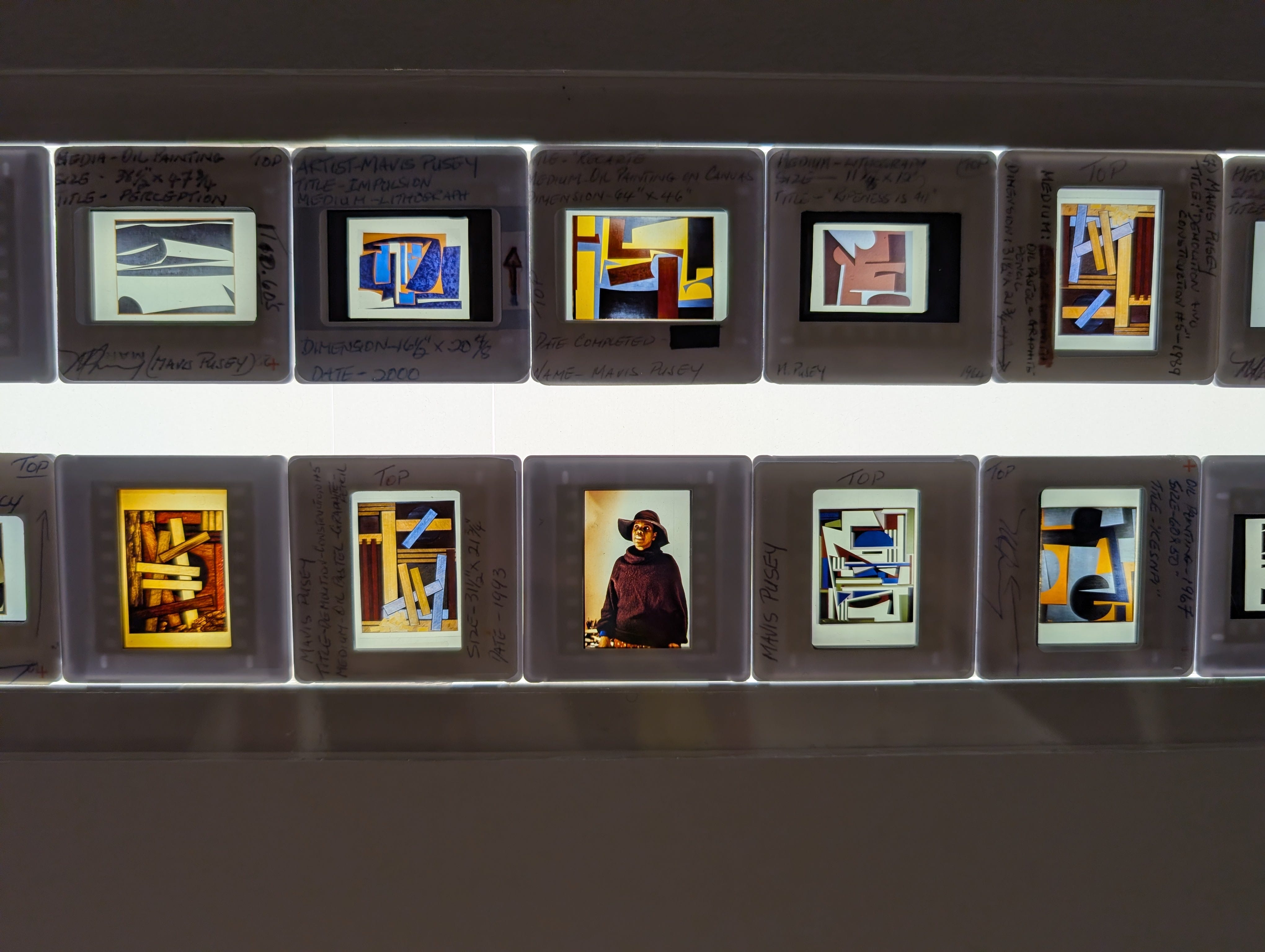
While it was known that Pusey left New York for rural Virginia in the late 1980s, other details were scarce. Ringle eventually dug into Virginia court documents and uncovered a 2011 bankruptcy record—an unexpected breadcrumb that helped open the door to rediscovering Pusey’s life and work.
As Thelma Golden, director and chief curator of the Studio Museum, told The New York Times, exhibiting Pusey now provides a vital encounter with Black abstraction and its many engagements. “She gave herself the opportunity to be incredibly bold in her sensibilities as she sought inspiration in the world around her,” Golden said. “Her work existed in a moment that wasn’t potentially ready for it.”


Well, the world seems more than ready now. Truthfully, photographs don’t do Pusey’s work justice; you need to stand in front of it to appreciate it fully.
The exhibition, Mavis Pusey: Mobile Images closes at ICA Philadelphia today, but you’ll have other chances to see the work of this great abstractionist yourself. The show travels to the Hammer Museum in Los Angeles in 2026, and then it will be on view at the Studio Museum in Harlem in 2027.


Great article!